
The Storyteller: Three Decades of Finding Inspiration in the Everyday
A Creative Perspective By: Michael Field
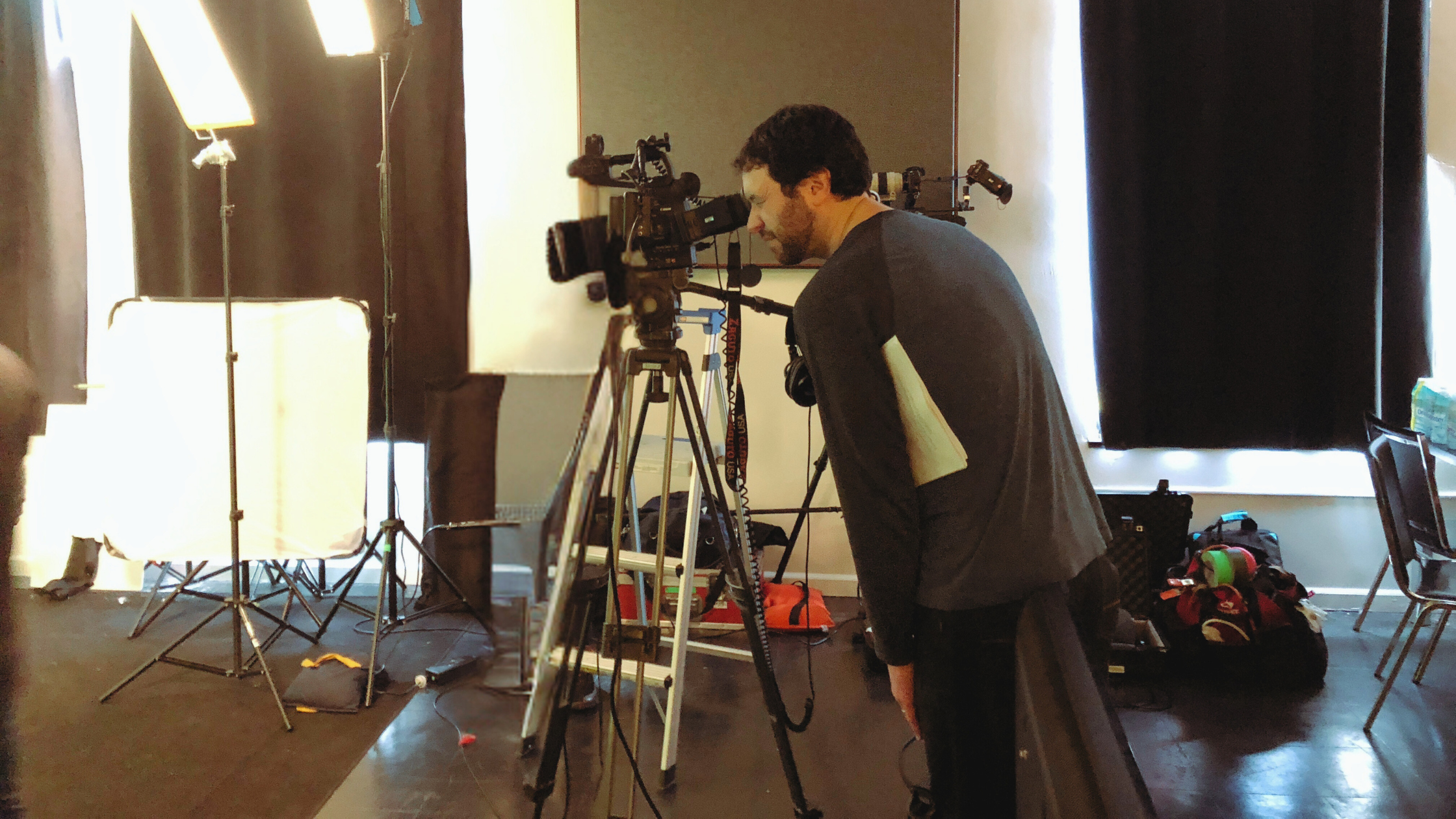
The Storyteller
I’ve been creating stories for almost 3 decades. (Holy crap!) I’ve written short stories, novels, short script, features, web series — the list goes on. I’m a content creator, podcaster, filmmaker and a writer, but at the heart of all that, I’m a storyteller. It took me a long time to accept that, but once I understood my own personal brand, everything I had done, leading up to my present made sense. I wasn’t unfocused when I went from screenplays to short stories. I wasn’t lost when I started podcasting, instead of creating short films. All of it was, and is, storytelling.
How it Happened
But how does one decide they want to be a storyteller? No idea. I’ve always liked movies and television. In high school, you’d catch me with the two VCRs recording different channels at the same time. (This is before streaming and TiVo) Growing up, I didn’t know what I wanted to be, because you know how adults like to make small talk and place you into a box, so when I was asked, “Hey Mike, what do you want to be when you grow up?” My answer would change from person to person, because I really didn’t know what I wanted to be.
Flash forward to right after high school, I get a job at the local movie theater, and my world opened up. Exposed to all the stories I can watch that summer, the seed is planted that maybe I don’t know what I want to do is because I want to be an actor. I want to play these roles. I’ll skip the rest of that realization with another flash forward to me falling in love with building the story rather than playing a part.
So, I want to tell stories. But what kind?
Inspired, But How?
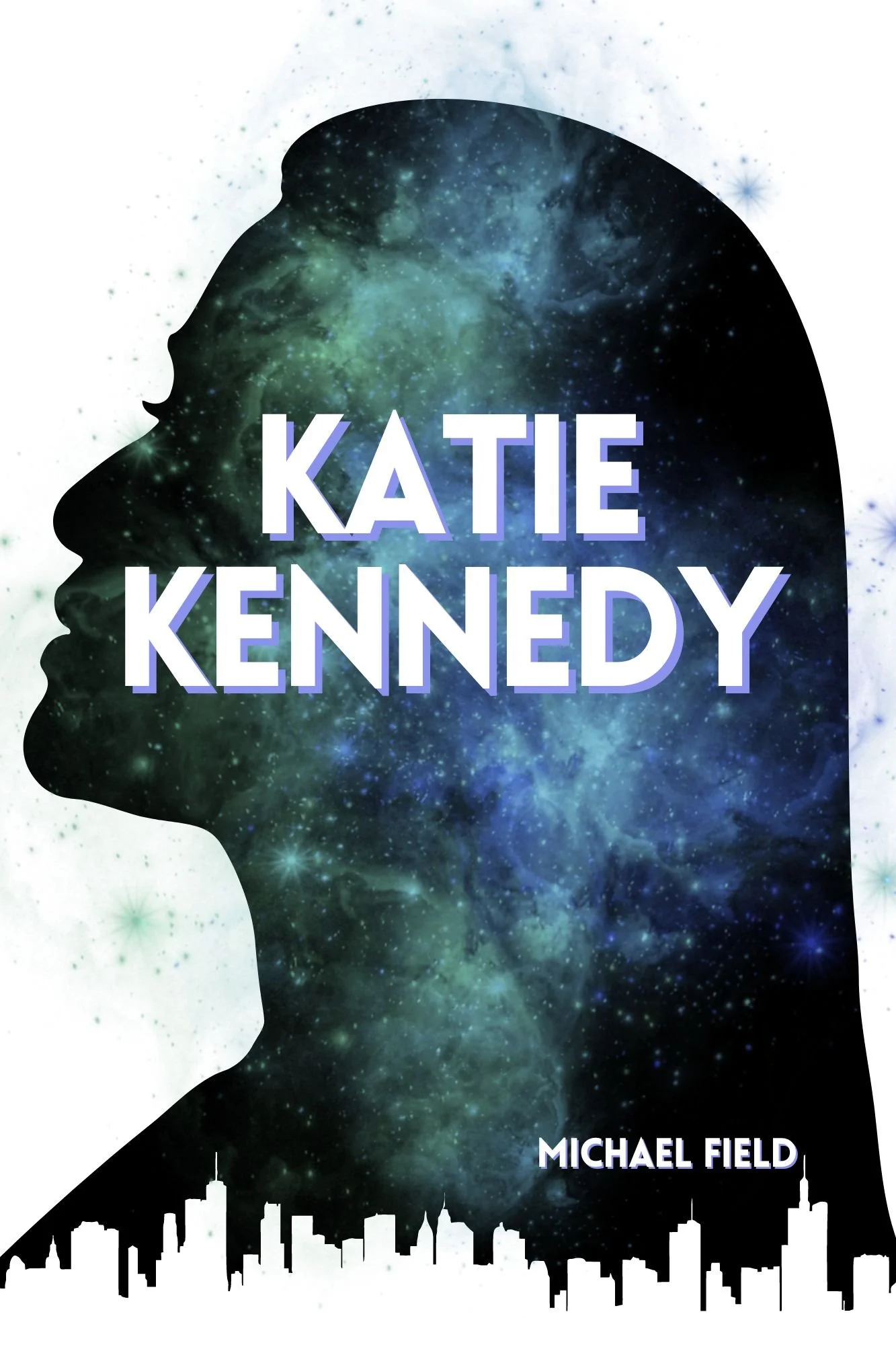
One question I always get asked is where I get my stories from. What’s my inspiration? Why’d I write a superhero origin story set in 1985 (Katie Kennedy), a play that takes place in the line to watch a movie (May 19, 1999), or historical fiction with Frank Sinatra fighting Nazis aboard a speeding train (Super Chief)?
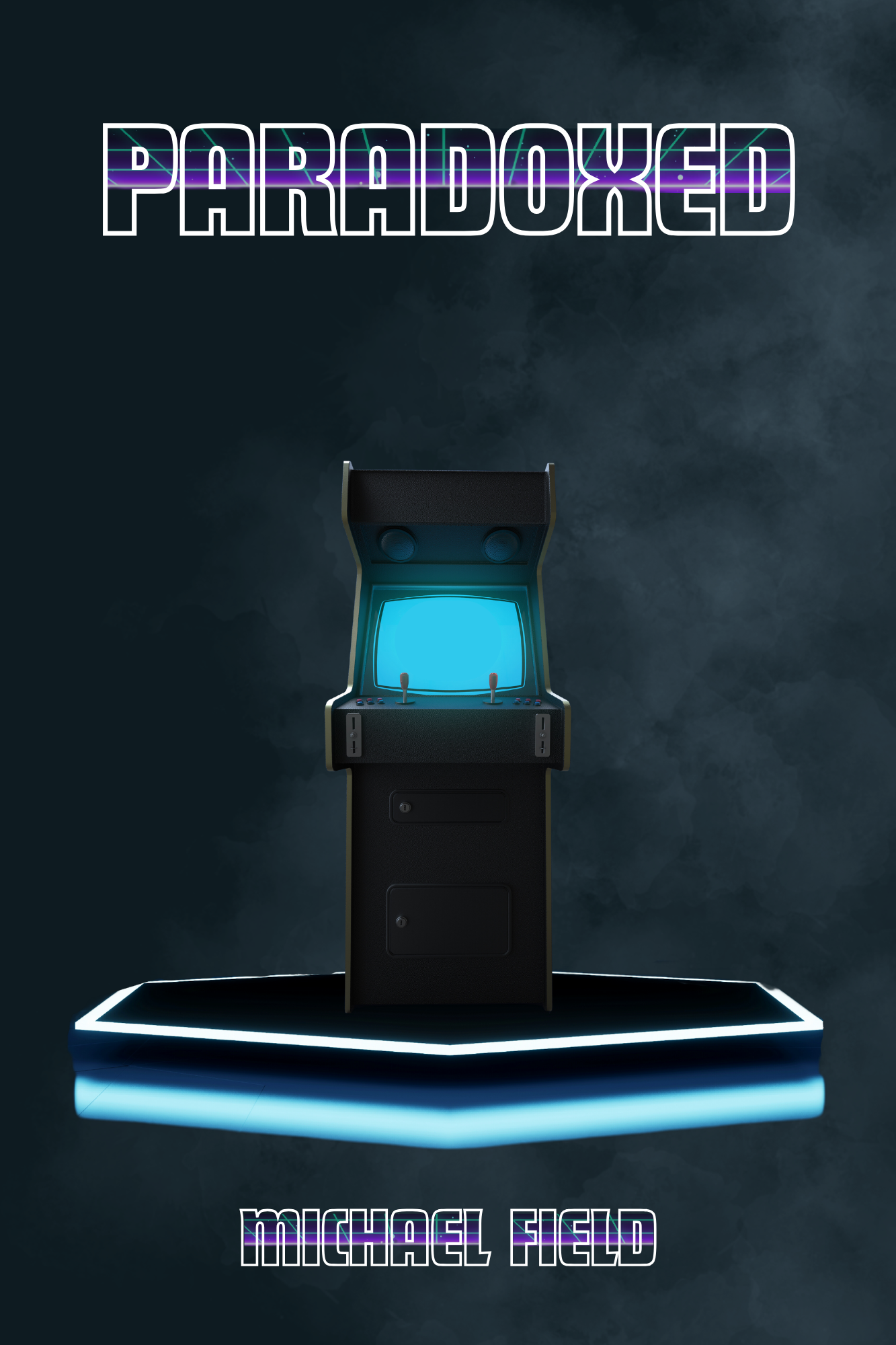
The reason I write these stories are varied. There is no one answer. Sometimes I’m working through some personal feelings, a few serious, a few not so much. Then there are times I’ve come up with a question like: What would happen if you traveled back in the past and ran into yourself? (Paradoxed) Can I write a cozy mystery? (A Sister in Need)
My first story was a short story about a detective who, of course, was searching for a murderer. And he solved the case by discovering black scuff marks on the side of a boat made by a certain boot.My inspiration for that story wasn’t the Doc Martens I owned or my love of mystery novels. It was to help my girlfriend get a good grade. Yes, I did my girlfriend’s homework. I read the parameters of the story, and I went to work. It doesn’t always have to be romantic. Sometimes, you’re checking a box. However it happens, if it gets you to write, the job is done.
Inspiration to write is limitless. There are no boundaries. Obviously, it’s your imagination and how far you let it go, is how far you can take your story. But stories are everywhere, waiting to be discovered. You read about an infamous hurricane in 1938. (The Creature) You might notice a car along the side of the road. (One Summer Night) Or your friend could say to you, “Hey, let’s make something together” (Noppera-bō)
These are all great, but if I’m not open to those moments of inspiration, those stories would never be told. I have fallen victim to this many times. There are countless stories I’ve forgotten or simply never finished. They task me. Sitting in folders on the very laptop I’m writing this, waiting for me to revisit them. Their very existence taunting me.
Perfection is the Enemy
If you’re a burgeoning storyteller (e.g. filmmaker, writer, podcaster, etc.), and not that you asked, but my biggest piece of advice is that there is no one way to write or create. Everyone is different. The only thing that connects all storytellers is that we start, finish and keep going. Whether you write in the morning or late at night, that’s perfectly acceptable. If you find inspiration when you’re bored? Great. Write better while on your lunch at work? Great. Get your creative juices flowing by taking day-trips? Great.
I remember having a conversation with someone about writing and they tell me that they need it to be a perfect day, where the sun highlights the perfect spot in their house where they can sit and write. And I remember thinking that this person will never write. And they never did.There is no perfect time to write, and no one should ever tell you the “right” way to tell your stories, because there is no “right” way. There’s only one wrong way and that’s not doing it at all.
What Does This All Mean?
There’s no difference between this written piece and one of my stories. I’m telling you the story of me, and it’s inspiration is my desire to show whoever reads this that you’re not alone. Writing, storytelling, at times is a lonely endeavor. Sure, if you’re story is a play or film, collaboration comes into play and you have help rowing that boat, but when you start out, at its very core, storytelling can be disheartening. It’s just you and a blank canvas. Your inspiration sparks that flame, but you have to keep it lit.
Keep going. No matter how you get it done. Get it done. We are storytellers no matter if we’re making money from it, gaining notoriety, or self-publishing and selling only 17 copies. No one will ever take away your passion, your joy, your calling…
I’ll never stop being a storyteller. I don’t know how to.
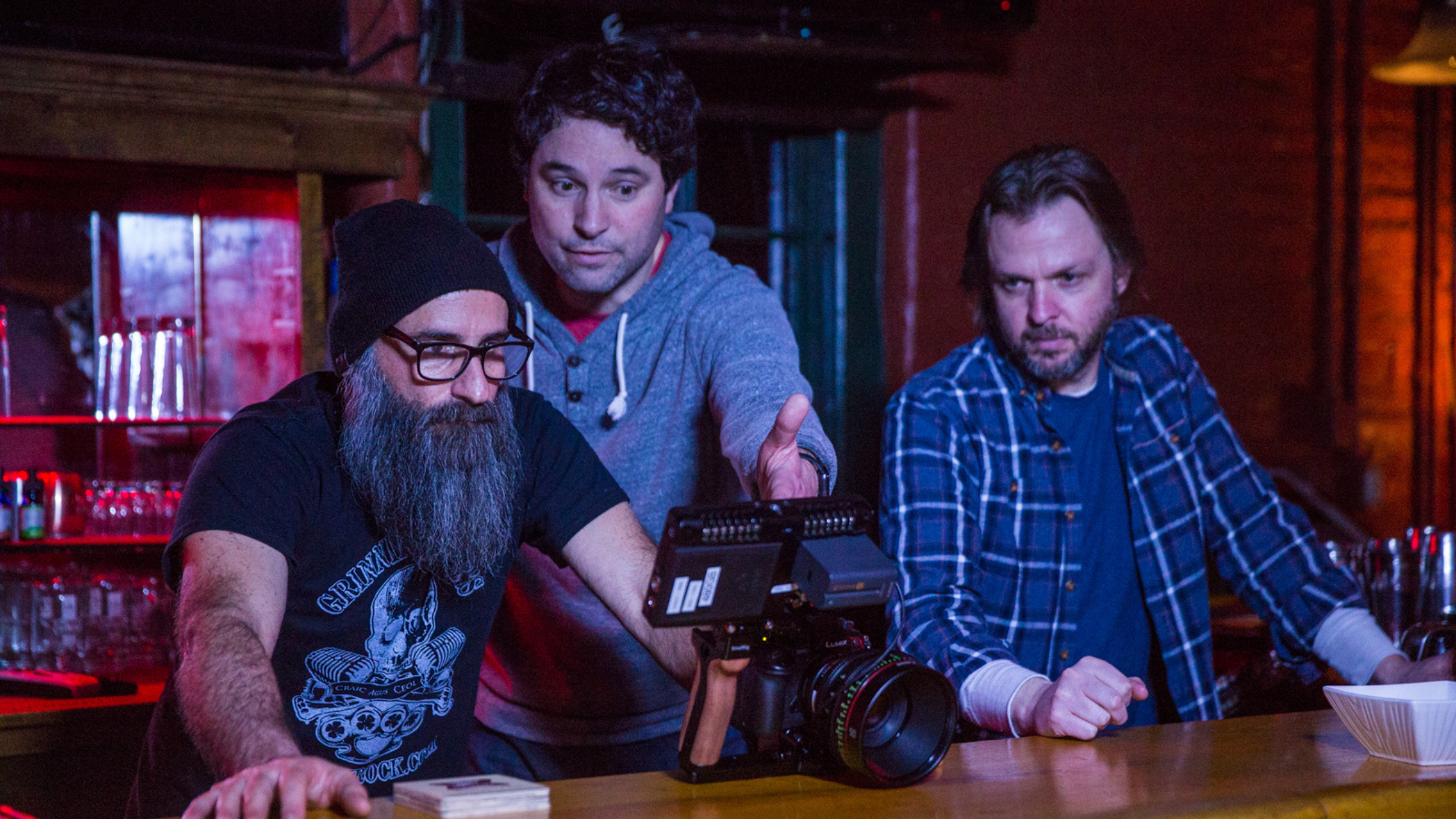
Michael Field - Blurb
I’ve been telling stories my whole life, on film sets, behind microphones, on the page, and in late-night writing sessions that stretch until morning. From short films and feature scripts to podcasts, digital series, and novels, I’m drawn to characters who wrestle with identity, legacy, and the choices that define them.
Over the years, I’ve directed more than a hundred shorts, co-created the Forgotten Cinema podcast, and written scripts that blend pulp adventure, supernatural mystery, and human drama. My novels carry that same mix of heart, danger, and imagination, expanding my storytelling into new mediums and audiences. But at the center of it all is one simple thread: I believe stories are how we connect, how we remember, question, laugh, and imagine. Storytelling isn’t just my career; it’s the way I move through the world.
“Every story is a way to understand who we are and who we could be.”
