
Take Nothing But Photos: The Ethics and Art of Urbex Photography
Capturing the Soul of Lost Places by: Marc Wayne Schechtel
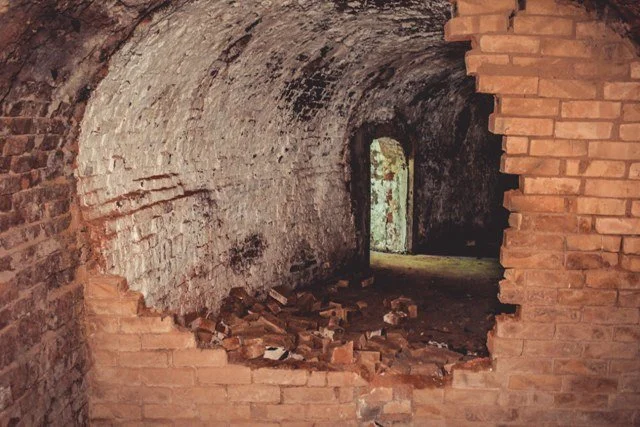
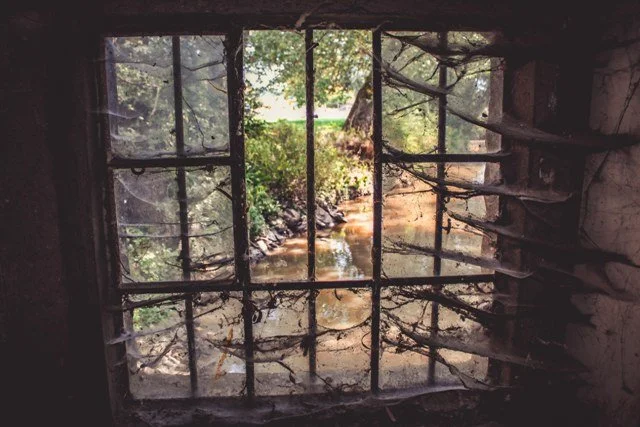
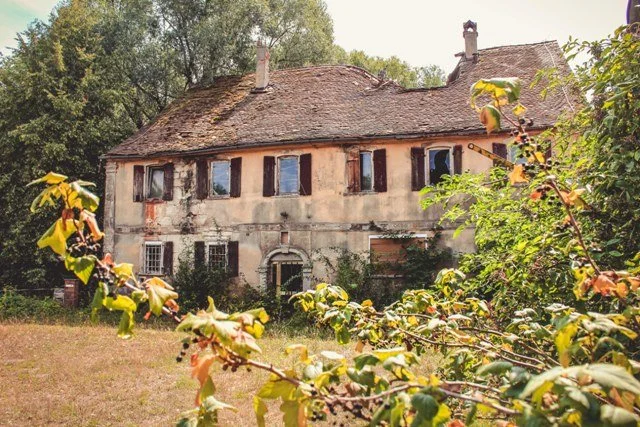
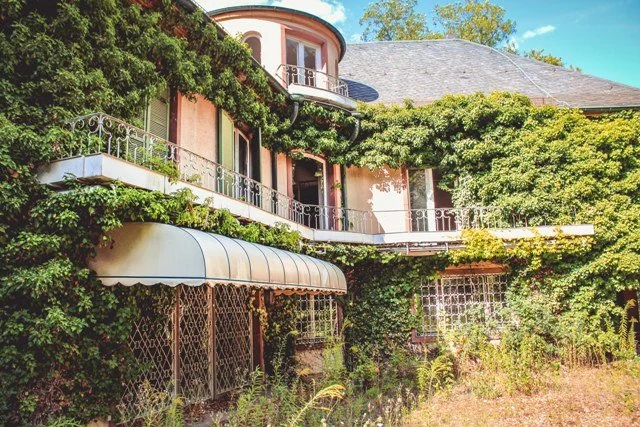
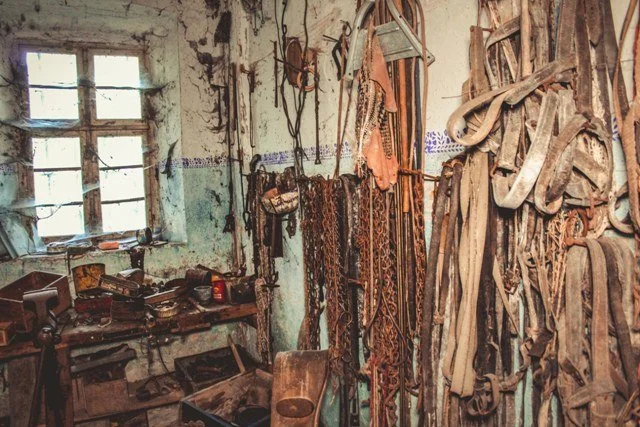
The air inside an abandoned 1920s sanatorium carries a weight that no modern studio can replicate. It is a thick, silent mixture of settling dust, peeling lead paint, and the faint, sweet scent of damp wood. For a photographer, this isn't just a derelict building, but a living, breathing canvas where time has stood still while the rest of the world moved on.
Lost Place photography, or Urbex (Urban Exploration), is more than a hobby. It is a profound creative dialogue between the camera and a fading history. In a world obsessed with the new and the perfect, these ruins offer us a rare chance to find beauty in the broken and stories in the silence.
The Ethics of the Lens
Before we dive into the technical heart of this craft, we must address the foundation upon which all responsible exploration is built. In the Urbex community, we live by a singular, sacred mantra: Take nothing but photos and leave nothing than footsteps.
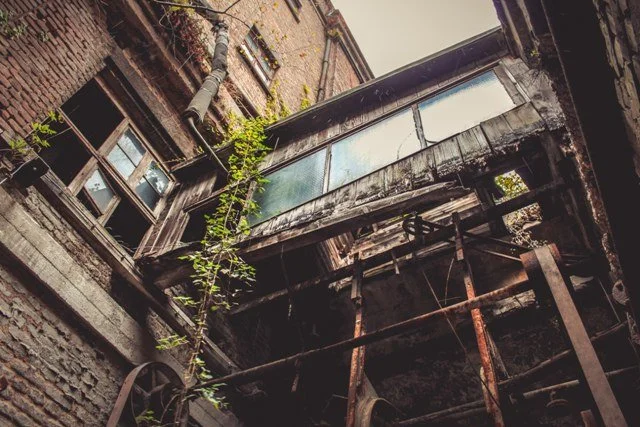
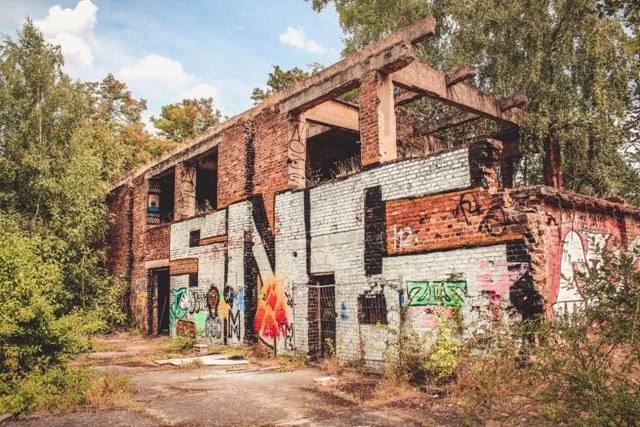
This isn't just a catchy phrase; it is an ethical necessity for every creator. These locations are fragile time capsules, and when we enter, we are guests in a space that belongs to history. Removing a relic or staging a scene with artificial props doesn't just damage the site; it robs the next photographer of the chance to capture an authentic moment. As artists, our goal is to document the decay, not to accelerate it, ensuring that the soul of the location remains intact for the lens.
Framing the Chaos
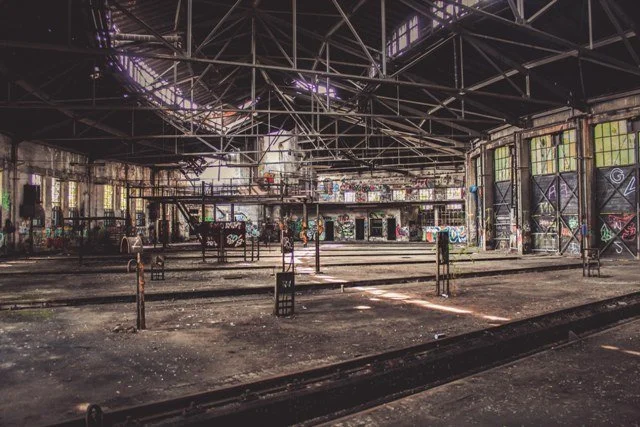
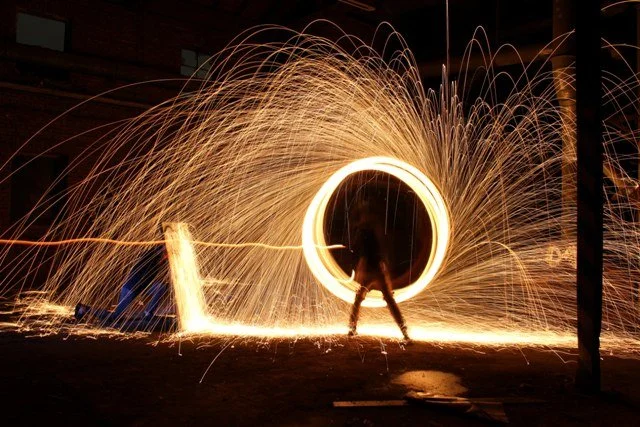
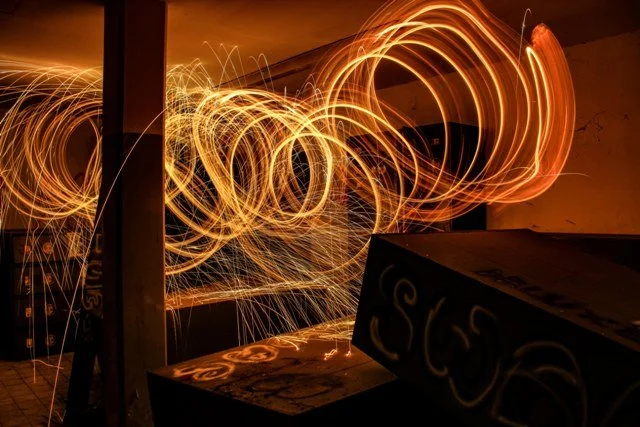
Technically, Lost Place photography is a masterclass in problem-solving and composition. You are often working in low-light conditions where a tripod is non-negotiable. Long exposures become your best friend, allowing you to pull detail out of the darkest corners that the human eye might miss.
But it's not just about the gear; it's about understanding the mood of the light. I often prefer shooting during the golden hour when low-angle sun can ignite the dust motes dancing in the air, creating a dreamlike, ethereal atmosphere that contrasts with the harshness of the environment.
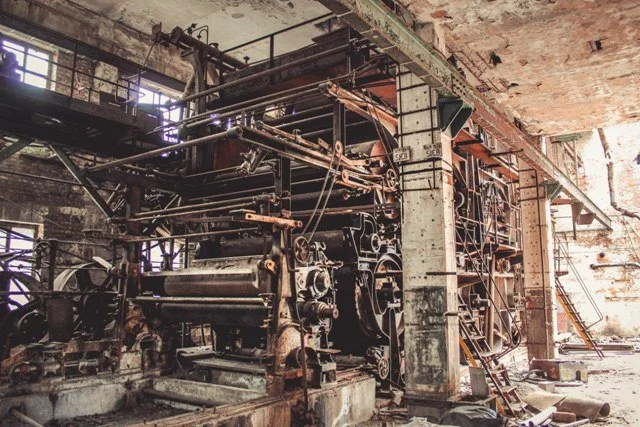
The creative challenge lies in reading the visual noise. An abandoned factory is loud with debris and fallen beams, so the photographer's job is to find the signal within that chaos. It forces you to slow down and wait for the light to hit a specific patch of moss or find the exact angle where a row of decaying lockers creates a leading line that draws the eye into infinity.
Portraits in the Void
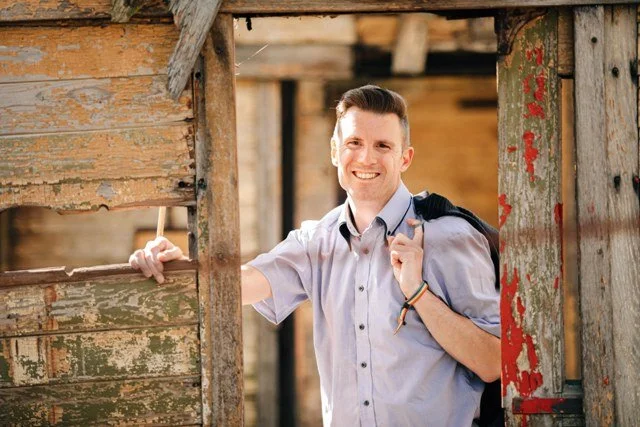
While the architecture itself is a compelling subject, I have found my most profound creative fulfillment by introducing a human element into these spaces through portraiture. Using Lost Places as a backdrop for portrait photography adds a narrative layer that is hauntingly beautiful. There is a jarring, poetic contrast between the soft, living lines of a human model and the harsh, jagged edges of a crumbling structure.
When I conduct a portrait session in a ruin, the location becomes a character in the story rather than just a cool background. A model sitting in a velvet chair in the middle of a ballroom with a collapsed ceiling evokes themes of resilience, memory, and the fleeting nature of youth. The decay emphasizes the life of the subject, reminding the viewer that while the walls are falling down, the human spirit remains vibrant. These sessions require a high level of trust and technical precision, as we navigate the physical risks of the site to capture a moment of stillness amidst the wreckage.

Post-Processing the Past
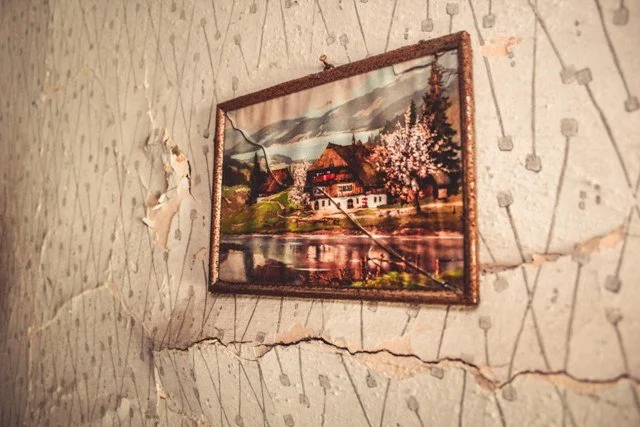
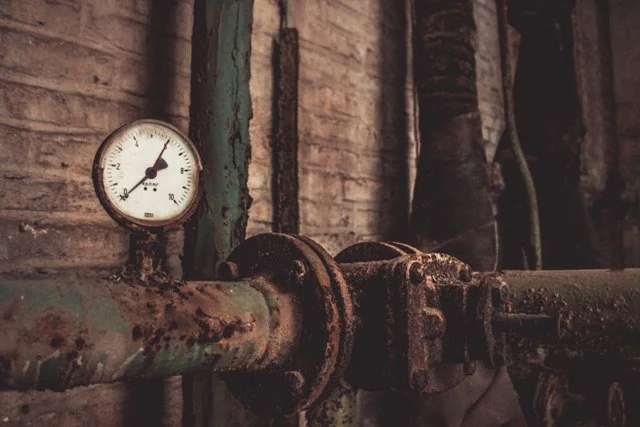
The creative journey doesn't end when the shutter clicks. Post-processing plays a vital role in translating the atmosphere of a Lost Place to the viewer. When editing these shots, I focus on enhancing the natural textures: the grit of the stone, the flake of the paint, the rust on the iron. The goal is to make the viewer feel the decay and the heavy silence through their screen or the printed page.
Lost Place photography is a reminder that everything is temporary, which makes the act of creation even more urgent. It teaches us to look closer, to respect the past, and to find the light in the dark. Go find the beauty in what the world has forgotten. There is a story waiting for you in the shadows, you just have to be quiet enough to hear it.
About the Author:
Marc Wayne Schechtel is a professional photographer specializing in lost place, wedding and real estate photography. With a toolkit that ranges from intimate portraits to high-end drone cinematography, he captures unique perspectives. When not on assignment, Marc Wayne can often be found exploring and documenting lost places and urban ruins.
Website: wayne1313.de
Instagram: @wayne_1313

